FEED EVENT TYPE COMMODITIES

Commodities

We track global commodities — oil, natural gas, metals, rare earths, food staples, and critical minerals — as strategic levers in geopolitics and economics.From supply shocks and sanctions fallout to production disruptions, cartel decisions, and shifting demand from China and the energy tr ansition, this category delivers forward-looking intelligence on price drivers, second-order effects, and the cascading consequences for markets, nations, and security. Understanding commodities is essential for anticipating inflation spikes, resource conflicts, and economic realignments in an increasingly volatile world.

5 EVENTS TRACKED

Hong Kong Halves Commodity Trading Tax to 8.25%

Hong Kong is slashing profits tax to 8.25% for qualifying physical commodity traders in mining, metals, oil and agri products. The move, announced amid Middle East disruptions and soaring bunker costs, aims to lure global desks from Singapore, Geneva and London, directly lift shipping volumes at its 13.7 million TEU…

RIPPLE EFFECTS →
  • Surge in demand for Hong Kong-based trade finance, marine insurance, and arbitration services as new desks route documentation and risk through the city.
  • Mainland Chinese commodity buyers and state-owned enterprises gain easier access to international pricing and hedging desks physically located in Hong Kong rather than Singapore.
  • +3 more →

Turkey’s Central Bank Sells Record 118 Tonnes of Gold

Turkey’s central bank has liquidated or swapped more than 118 tonnes of gold reserves in just two weeks—the largest drawdown since at least 2013—while selling $26 billion in foreign currency to defend the lira and markets amid surging energy prices and capital flight from the Iran conflict. Net international reserves…

RIPPLE EFFECTS →
  • Domestic dollarisation accelerates as households and corporates observe the central bank itself liquidating gold, reinforcing preference for hard assets over TRY deposits.
  • Higher energy import bill from sustained oil/gas prices feeds directly into Turkey’s current-account deficit, forcing further reserve usage or rate hikes later in 2026.
  • +3 more →

US Gas Prices Hit $4+ as Iran War Triggers Biggest Oil Supply Shock in History

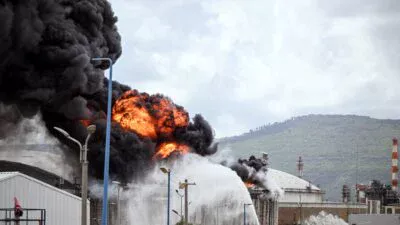
U.S. gasoline averages surged past $4.018/gallon—up >30% since late-February U.S./Israel strikes on Iran—marking the highest level since 2022. Diesel jumped >40% above $5/gallon as Iranian attacks closed the Strait of Hormuz, the chokepoint for 20% of global oil. Oil benchmarks soared >50% in weeks; Trump administration deploys SPR releases, waivers,…

RIPPLE EFFECTS →
  • Lagged diesel cost pass-through elevates supermarket, e-commerce, and just-in-time inventory pricing by Q2.
  • Logistics-heavy sectors (retail, construction, agriculture) face margin compression and inventory build-ups.
  • +3 more →

Iranian Drone & Missile Strikes on Gulf Aluminum Giants Trigger Global Supply Crisis

Iranian attacks damaged Emirates Global Aluminium’s Al Taweelah smelter and hit Aluminium Bahrain, knocking out key capacity in a region supplying 9% of world aluminum. With the Strait of Hormuz closed and exports frozen, LME prices surged 3.5% to $3,381/t — levels unseen since 2022 — as analysts warn of…

RIPPLE EFFECTS →
  • Downstream cost inflation hits auto OEMs, solar manufacturers, and construction firms, compressing margins and prompting delayed capex.
  • European and North American buyers accelerate spot purchases from Canada, Norway, and Russia, tightening non-Gulf supply chains.
  • +3 more →

Oil Market In Backwardation Signals Transitory Iran War Shock

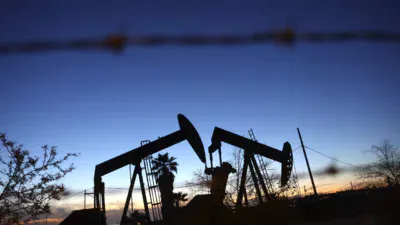
As Brent crude surges 47% to $106.18 and WTI hits $93.27 four weeks into the U.S.-Israel strikes on Iran, the futures curve has flipped into deep backwardation. Traders are pricing the spike as short-lived, yet a persistent $10–12/bbl premium through year-end shows the market has quietly baked in unresolved supply…

RIPPLE EFFECTS →
  • Higher jet-fuel and diesel costs will compress margins for global logistics and e-commerce, accelerating inventory draw-downs and just-in-time supply-chain repricing.
  • Emerging-market currencies with high energy import bills (India, Turkey, South Africa) face renewed FX pressure, forcing central banks to tighten even as U.S. rates may soon pivot.
  • +2 more →