Trump-Iran 2-Week Ceasefire Locks Strait of Hormuz Reopening

Apr 8, 2026 | Geopolitics 🇮🇷 Iran | Polyminute News | No comments
Trump-Iran 2-Week Ceasefire Locks Strait of Hormuz Reopening

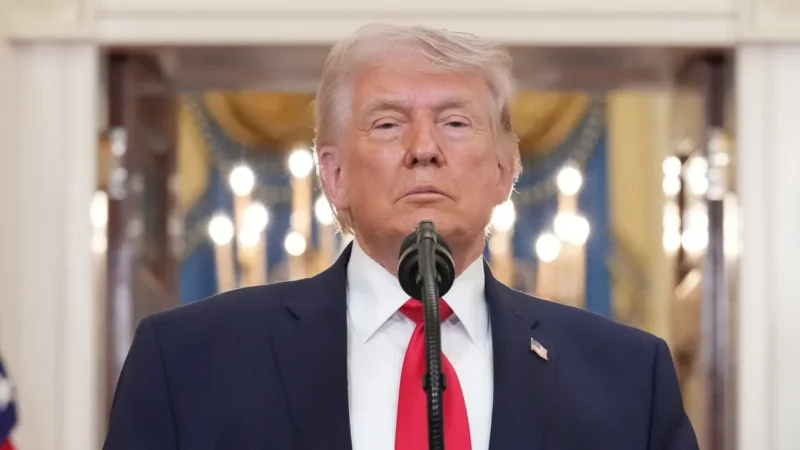
President Trump suspended planned strikes on Iranian infrastructure for two weeks, conditional on Tehran’s immediate, safe reopening of the Strait of Hormuz. The pause, brokered via Pakistan, follows five weeks of U.S.-Israel-Iran war and Trump’s explicit threat of civilizational destruction. Both sides claim victory; formal talks begin in Islamabad on Iran’s 10-point proposal.

Trump’s Truth Social announcement halts imminent U.S. attacks on Iranian civilian targets, explicitly tied to Iran’s commitment to “COMPLETE, IMMEDIATE, and SAFE” reopening of the Strait of Hormuz for two weeks. The decision follows direct intervention by Pakistan’s Prime Minister Sharif and Field Marshal Munir, who secured a goodwill extension from both capitals. Oil prices immediately plunged as much as 16% on restored tanker flow expectations; U.S. equity futures spiked.

Iran’s Foreign Minister confirmed safe passage “via coordination with Iran’s Armed Forces” for the interim period. Tehran framed the outcome as U.S. “surrender” and acceptance of its 10-point proposal as negotiation basis. The package demands full U.S. withdrawal from regional bases, lifting of all sanctions, release of frozen assets, war-damage reparations, and a permanent Hormuz transit protocol.

Trump countered that U.S. military objectives have already been “met and exceeded,” positioning the pause as bridge to a “definitive Agreement” on long-term Middle East peace. Negotiations will convene in Islamabad within days. The 8 p.m. ET deadline Trump set Sunday—preceded by his “Open the Fuckin’ Strait” ultimatum and “whole civilization will die” warning—had triggered global panic. The de-escalation removes the immediate tail risk of Hormuz closure, which carries ~20% of global seaborne oil.

Market reaction was instantaneous and mechanical: energy complex repriced lower, risk assets higher. No shots fired during the final hours of the deadline window. The two-week clock now becomes the dominant variable for oil volatility, diplomatic credibility, and positioning across rates, FX, and equities.

01

First-Order Effects

Obvious, immediate impacts
  • Oil prices collapsed up to 16% intraday as Hormuz reopening removes immediate supply shock premium.
  • U.S. equity futures surged on reduced geopolitical risk premium; broad risk-on sentiment.
  • Global shipping and insurance rates for crude and products expected to normalize within days.
  • Defense and energy equities reversed sharply; safe-haven assets (gold, Treasuries) sold off.
  • Short-term inflation expectations dropped as energy input costs reset lower.
02

Second-Order Effects

Cross-sector · cross-geography · time-lagged
  • Asian net oil importers (India, Japan, South Korea, China) receive immediate terms-of-trade boost, supporting local currencies and equities.
  • European and U.S. refining margins compress; downstream chemical and plastics producers gain cost relief.
  • Pakistan cements new role as indispensable regional broker, likely extracting U.S. military/financial concessions in return.
  • OPEC+ cohesion frays as members quietly cheer restored Iranian barrels while facing lower quota compliance pressure.
  • Global supply-chain inventories rebuild aggressively; just-in-time shipping resumes, easing freight rates across non-energy routes.
03

Alpha Layer — Opportunities

Trades · strategic positioning · business impacts
  • Consensus prices this as durable peace; history and Iran’s maximalist 10-point list suggest it is a tactical pause—markets underpricing re-escalation risk post-two weeks.
  • Successful Hormuz protocol could permanently alter oil security architecture, eroding U.S. carrier-group leverage and accelerating de-dollarization talks in BRICS energy trade.
  • U.S. withdrawal demands, if partially met, trigger strategic realignment: Gulf states accelerate hedging toward China; Israel recalibrates without U.S. forward bases.
  • Asymmetric trade: long-dated oil volatility (buy strangles expiring after Day 14) while selling front-end energy equities—market has already front-run the entire two-week window.
  • Pakistan-mediated deal opens narrow window for Trump to claim “greatest Middle East deal ever” before mid-terms; failure would be priced as policy humiliation, hitting USD and risk assets harder than priced.

// Share Your Analysis