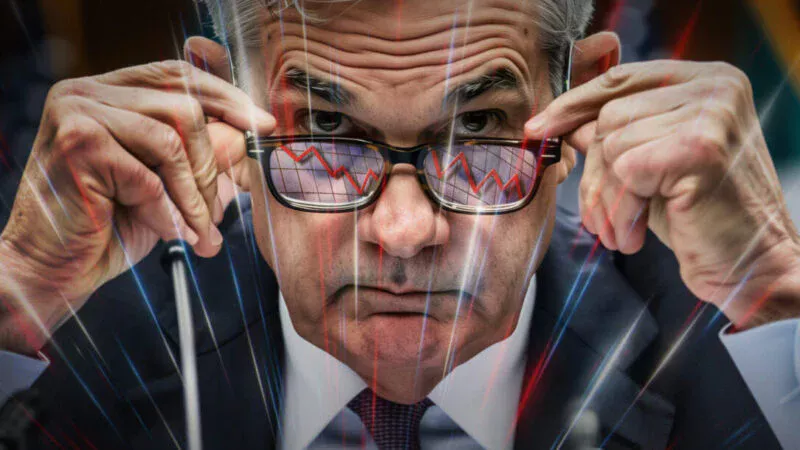
Powell used his Harvard appearance to deliver a clear “look-through” doctrine on the oil shock: the Fed will ignore transitory energy-driven inflation and focus on its dual mandate. He cited stable market-based breakevens (5-year at ~2.56% and falling) and anchored longer-term expectations as evidence that no policy response is required. The current 3.5%-3.75% funds rate range is viewed as neutral and well-positioned.
owell explicitly noted that any rate hike would arrive too late to blunt the oil price impulse yet would tighten financial conditions precisely when the shock is fading—classic supply-shock logic he has applied before. He refused to engage on successor Kevin Warsh’s preference for lower rates or on his own post-May departure.
Separately, Powell addressed the $3 trillion private-credit sector’s rising defaults and outflows, calling it a “correction” with no visible banking-system linkages or contagion risk. The comments removed the last hawkish catalyst priced into markets, triggering an immediate repricing of rate expectations and easing financial conditions across asset classes.
// Share Your Analysis