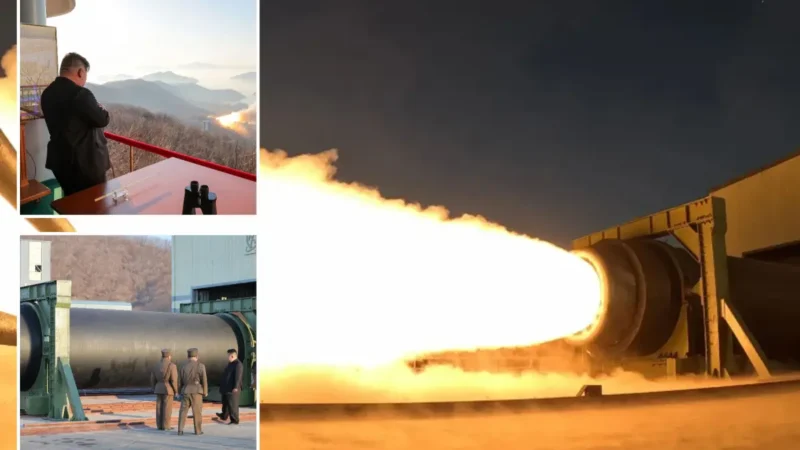
State media framed the composite carbon-fiber engine as a “significant” leap in survivable nuclear delivery systems. Experts note the absence of combustion-time data and the lack of follow-on ICBM flight tests since September, raising bluff or delay concerns. Analysts point to possible Russian technical assistance, given deepening Pyongyang-Moscow military ties including troop and weapon transfers to Ukraine.
The test fits Kim’s post-2019 nuclear expansion after Trump diplomacy collapsed. At February’s party congress, Kim kept the door open for renewed talks with Trump but explicitly rejected denuclearization preconditions. Technological hurdles remain—reentry vehicle survivability and multi-warhead integration—but success here would enable smaller, submarine- or truck-launched ICBMs and MIRV payloads to overwhelm US defenses. Markets should treat this as incremental but directionally meaningful progress in NK’s strategic posture, not routine noise.
// Share Your Analysis