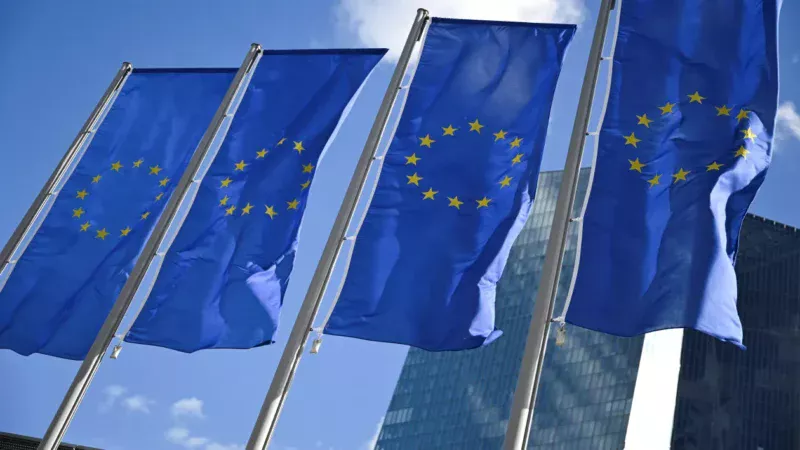
The ECB’s April decision to hold the deposit facility rate at 2% reflects a calibrated pause amid a clear energy-shock inflation rebound. Flash data showed headline inflation rising to 3% in April, almost entirely energy-driven following the escalation of the Iran war. The Governing Council’s statement explicitly noted that its prior inflation assessment is “largely unchanged” yet “upside risks to inflation and downside risks to growth have intensified.
Key language underscores contingency: the longer the conflict and elevated energy prices persist, the stronger the medium-term inflation impulse and growth drag will become. The ECB refused to pre-commit to any path, including June, while reiterating its 2% target commitment and data-dependent framework. Lagarde’s prior signal that even temporary inflation spikes could warrant hikes remains live.
Market reaction was modest but directionally hawkish: EUR/USD +0.2% to 1.17, 10-year German bund yields –3bp to 3.058%, French OATs –4bp. Economists split on next steps—some see June 25bp as live, others stress caution given softening labor markets and restrictive fiscal stance versus 2022. Unlike the prior shock, fiscal policy is now tighter and the labor market softer, lowering second-round wage risks but raising the bar for any easing. The eurozone’s policy rate sits in neutral territory, giving the ECB more room—and urgency—to respond swiftly if inflation embeds. The statement projects calm resilience in recent growth but rising concern over conflict duration, preserving optionality without signaling cuts.
// Share Your Analysis