Kevin Warsh Holds Stakes in DeFi, Solana, Bitcoin & Polymarket – Divestiture Required

Apr 15, 2026 | Crypto | Polyminute News | No comments
Kevin Warsh Holds Stakes in DeFi, Solana, Bitcoin & Polymarket – Divestiture Required

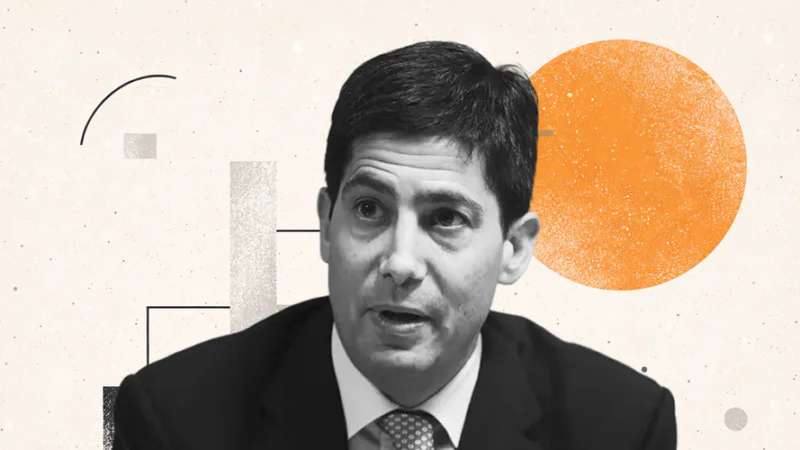
Trump’s pick for Federal Reserve Chair disclosed venture exposure across the exact crypto verticals the Fed will regulate — from Compound lending to Solana L2s and Polymarket — all of which he has pledged to sell. The 69-page filing clears the final ethics hurdle but sets up pointed Senate questions on conflicts just days before his hearing.

Kevin Warsh, President Trump’s nominee to succeed Jerome Powell as Fed Chair, filed a comprehensive financial disclosure revealing equity stakes — held through DCM Investments, Abstract Holdings, and multiple AVF/AVG funds — in more than two dozen blockchain and digital-asset entities. Positions span DeFi protocols (Compound, dYdX, Lighter), Ethereum scaling (Optimism, Blast), high-performance L1s (Solana), Bitcoin infrastructure (Flashnet, Lightning Network), prediction markets (Polymarket), and Web3 infrastructure (Crossmint, Tenderly). Most line-item values fall below the $1,000 OGE reporting threshold; larger opaque vehicles (Juggernaut Fund LP >$100M and THSDFS LLC) almost certainly contain additional crypto exposure but remain undisclosed.

Warsh has committed to divest the majority of these holdings to comply with the Ethics in Government Act. OGE has already certified that full divestiture will resolve conflicts. However, the one-year post-divestiture recusal window will bar him from direct involvement in matters materially affecting any divested asset. This directly touches four live Fed/crypto policy fronts: stablecoin legislation (custody and issuance rules), bank digital-asset custody guidance, tokenized deposit/securities pilots, and residual CBDC research.

The timing is acute. Confirmation hearings are scheduled for next week. Sen. Thom Tillis (R-NC) continues to block a final floor vote until the DOJ drops its unrelated criminal probe into Powell, whose term ends May 15. Warsh’s broader profile — $10.2M in consulting from Stanley Druckenmiller’s Duquesne Family Office plus fees from GoldenTree, Cerberus, and Brevan Howard — reinforces a macro investor mindset sympathetic to digital assets. Combined household net worth exceeds $2B. The disclosure is therefore not about headline size but about demonstrated intellectual and capital commitment to the precise infrastructure the Fed will supervise.

01

First-Order Effects

Obvious, immediate impacts
  • Immediate bullish sentiment lift across crypto assets and tokens held in the disclosed entities; markets price in a “friendlier” Fed narrative.
  • Forced divestiture of illiquid venture stakes creates modest near-term supply overhang in secondary markets for Compound, dYdX, Solana ecosystem, and Polymarket shares.
  • Senate Banking Committee hearing next week will center on specific conflict-of-interest questions, delaying confirmation odds by 7–14 days.
  • One-year recusal clock starts on divestiture date, freezing Warsh’s direct influence on stablecoin and custody rule-making through mid-2027.
  • Powell exit on May 15 accelerates regardless of Warsh timeline, leaving Vice Chair for Supervision Michael Barr as interim crypto-policy gatekeeper.
02

Second-Order Effects

Cross-sector · cross-geography · time-lagged
  • U.S. banks accelerate crypto custody applications and tokenized deposit pilots in anticipation of eventual Warsh-era regulatory relief, widening the onshore/offshore custody arbitrage.
  • Venture capital syndicates that co-invested alongside Warsh’s vehicles face sudden LP redemptions or forced sales, tightening liquidity for early-stage DeFi and L2 teams.
  • European and Asian stablecoin issuers (USDT, USDC offshore variants) gain temporary market share while U.S. frameworks remain in regulatory limbo.
  • Macro hedge funds with Druckenmiller-style positioning increase crypto beta exposure, viewing Warsh’s nomination as de facto validation of digital assets as monetary-policy collateral.
  • Senate Democrats leverage the disclosure to demand broader Fed ethics reforms, raising political cost for any future pro-crypto appointee.
03

Alpha Layer — Opportunities

Trades · strategic positioning · business impacts
  • Fed institutional knowledge of on-chain mechanics rises permanently; future Chairs inherit Warsh’s detailed mental map of DeFi failure modes, shifting consensus from blanket skepticism to protocol-specific risk calibration.
  • Narrative that “Fed Chairs must be crypto virgins” collapses, opening the door for technocratic appointments with domain capital — consensus currently underprices this regime change.
  • Tokenized Treasury and deposit markets receive asymmetric tailwind; Warsh’s Lightning and Solana exposure signals latent preference for scalable settlement layers, where the market still prices regulatory hostility.
  • Prediction-market (Polymarket) liquidity deepens on U.S. policy outcomes as traders front-run Warsh’s recusal calendar — a structural edge for event-driven crypto strategies.
  • Long-term underpricing in Bitcoin Lightning and high-performance L2 infrastructure; divestiture forces Warsh to crystallize losses/gains that will be public, creating a rare observable signal on venture-stage crypto valuations that macro funds can arbitrage for years.

// Share Your Analysis