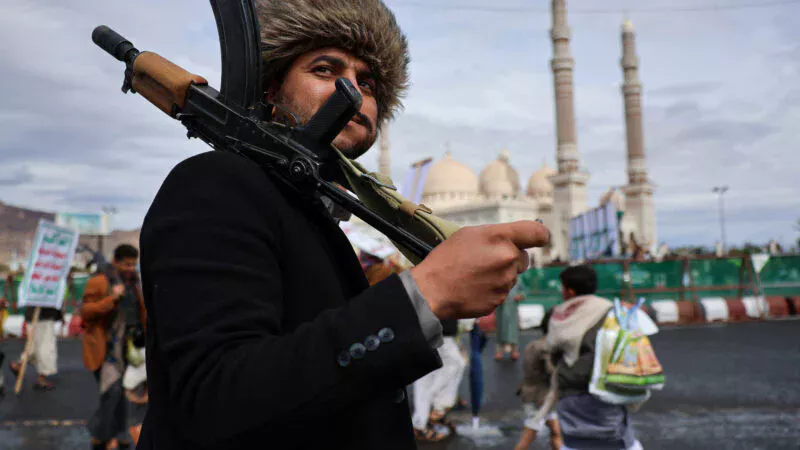
The conflict has entered a dangerous new phase of mutual escalation. Iran continues ballistic-missile and drone salvos despite four weeks of Israeli and U.S. strikes that have already killed Supreme Leader Khamenei and top officials. Yemen’s Houthis launched their second attack Monday, targeting Israel directly and opening the credible threat to close Bab el-Mandeb alongside Iran’s ongoing Strait of Hormuz blockade (20% of global oil/gas flows). Israel responded with >140 strikes on Iranian missile sites, storage, Mehrabad airport, and a Tabriz petrochemical plant. A chemical facility near Beersheba, Israel, was hit by debris.
U.S. force posture is rising sharply: thousands of Marines arrived Friday, hundreds of special operators Sunday, with amphibious assets positioned for potential ground operations. Trump publicly states Washington and Tehran are talking “directly and indirectly,” calls Iran’s new leadership (Mojtaba Khamenei) “very reasonable,” and claims regime change is already achieved—yet simultaneously floats seizing Kharg Island (90% of Iran’s oil exports) to “take the oil.” Pakistan is preparing to host “meaningful talks” this week; regional foreign ministers (Egypt, Saudi, Pakistan, Turkey) met in Islamabad Sunday on de-escalation.
Markets have already repriced the near-term reality: Brent +2.16% to $115/bbl Monday (poised for record monthly gain), Nikkei –3%+, global airline fares rising and capacity cuts announced. The war has killed thousands and delivered the largest energy-supply shock on record, with cascading inflation and recession risk now embedded in consensus forecasts.
// Share Your Analysis