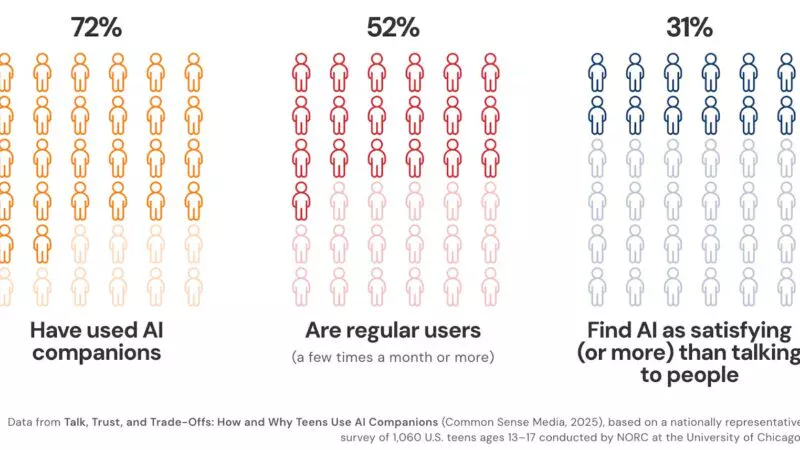
A documented behavioral pivot is underway: Gen Z is systematically outsourcing emotionally complex interactions—rejection texts, mixed-signal decoding, breakup scripts—to large language models. The Yale example is not anecdotal; Common Sense Media’s 2025 survey shows one-third of teens already favor AI companions over humans for serious talks. Researchers term this “social offloading.”
The mechanism is clear. Pandemic lockdowns hit Gen Z during the critical 10–19 window for frontal-lobe development, social cue calibration, and mentalization. Digital-native habits plus AI’s frictionless availability created a perfect storm. Users feed ChatGPT context and emotions; the model returns polished, ambiguity-averse prose. Recipients detect the artifice (AI detectors flagged Patrick’s text at 99 %), yet the sender gains perceived clarity and reduced anxiety.
Two immediate problems emerge. First, “expectation mismatch”: receivers interact with an AI-optimized persona, not the actual human. Second, repeated offloading erodes the sender’s own communicative confidence, identity formation, and tolerance for relational friction. Psychiatrists at Tufts and behavioral scientists at Kansas State warn this deepens the existing loneliness epidemic, creating a self-reinforcing “loneliness loop.” In extreme cases, suicidal ideation is now routed through chatbots instead of authentic human support networks.
The economic signal is unambiguous. A generation representing the largest upcoming cohort of consumers, workers, and voters is substituting high-value human relational capital for zero-marginal-cost AI output. Short-term: explosive consumer AI engagement. Long-term: measurable deficits in emotional intelligence (EQ) that correlate with lower leadership attainment, higher job turnover, reduced marriage and fertility rates, and elevated lifetime mental-health costs. Markets are currently pricing the AI usage upside while heavily discounting the human-capital depreciation on the other side of the ledger.
// Share Your Analysis