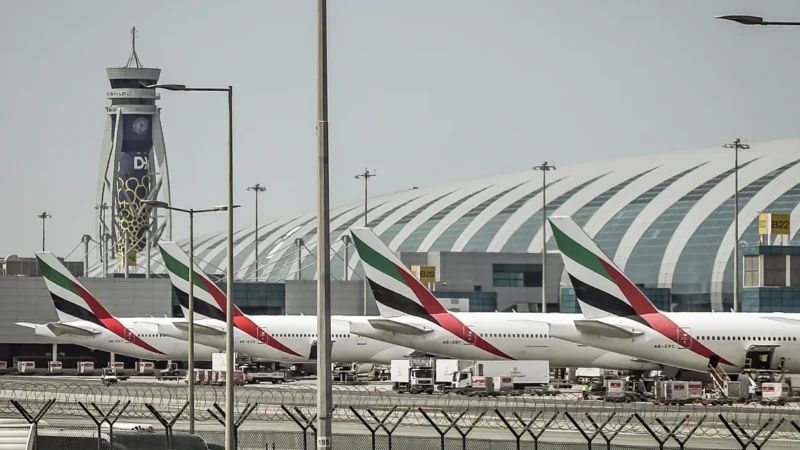
The Iran war—marked by U.S.-Israel strikes since Feb. 28, 2026, drone incidents near Dubai, and Strait of Hormuz shipping attacks—has triggered airspace closures, fuel-price shocks, and the largest wave of Middle East flight cancellations since 2022. Over 46,000 flights axed; Dubai’s airports have seen temporary shutdowns, derailing UAE’s $950 bn tourism target. Asian leisure travelers (e.g., Vietnamese Michelle Bui) cite non-refundable change fees of $450 and doubled internal fares as deal-breakers, pivoting to Singapore, Batam ferries, intra-Asian hubs, trains, and cruises. Business travel mirrors the shift: Europe-Asia voluntary cancellations doubled in early March; firms reroute via Istanbul or switch to short-haul ferries for Batam manufacturing/retreats. Booking platforms now optimize for “safe & cheap” alternatives. Mastercard’s Asia chief economist notes the trend hinges on sustained jet-fuel rises. Consensus view of quick recovery is already cracking; regional tourism is absorbing the overflow while Middle East hubs bleed traffic and revenue.
Asian Travelers Ditch Middle East for Regional Boom
EVENT OVERVIEW
Asian vacationers and corporates are canceling 20-30% more Middle East trips amid 46,000+ flight cancellations, surging airfares ($1,500–2,000 one-way from Vietnam), and safety fears from Iran conflict disruptions. Demand is flooding Southeast Asia, ferries, cruises, and domestic routes as oil volatility makes long-haul uneconomic.
01
First-Order Effects
Obvious, immediate impacts- ▸ Airfares on Asia–Middle East routes spike 50-100% on fuel surcharges, driving immediate 20-30% cancellation surge and revenue loss for carriers like SpiceJet.
- ▸ Dubai and UAE airports face repeated closures, slashing short-term tourism arrivals and hotel occupancy.
- ▸ Southeast Asian destinations and Singapore–Batam ferry operators record sharp booking upticks, with ferries holding steady despite S$6 fuel surcharge.
- ▸ Asian domestic airfares (e.g., Vietnam) double month-on-month, forcing leisure travelers onto trains/cars and compressing airline margins.
- ▸ Business-travel risk policies tighten, doubling voluntary cancellations on Europe–Asia legs and raising corporate security/re-routing costs.
02
Second-Order Effects
Cross-sector · cross-geography · time-lagged- → Capital and high-net-worth spending rotates from Middle East luxury hotels to Southeast Asian resorts and cruises, lifting regional GDP contributions while starving UAE diversification plans.
- → Ferry and short-sea operators in Indonesia/Singapore gain pricing power and capacity utilization, tightening labor markets for maritime crews.
- → Asian airlines face margin compression on both long-haul (fuel) and short-haul (overcapacity from redirected demand) routes, accelerating fleet optimization toward narrow-bodies.
- → Corporate retreat and incentive-travel budgets shift permanently toward lower-risk, lower-cost intra-Asia venues, reshaping MICE industry geography.
- → Booking-platform algorithms now prioritize “risk-adjusted price” data, embedding geopolitical filters that favor Asian inventory over global alternatives.
03
Alpha Layer — Opportunities
Trades · strategic positioning · business impacts- ◆ Prolonged Hormuz volatility cements a secular “travel near-shoring” regime, structurally favoring Asian tourism REITs, cruise lines, and low-cost carriers while Middle East assets trade at permanent risk premia—market is still pricing for temporary blip.
- ◆ Oil-price sensitivity of global aviation demand becomes a dominant macro variable; any sustained jet-fuel >$3/gallon accelerates de-globalization of leisure travel, underpriced by consensus.
- ◆ Southeast Asia emerges as default safe-haven leisure bloc, creating asymmetric alpha in regional hospitality and infrastructure plays (airports, ports) versus consensus long-Middle East recovery trade.
- ◆ Behavioral scarring among Asian corporates entrenches preference for virtual/hybrid or ferry-accessible meetings, eroding long-haul premium business-class yields faster than models assume.
- ◆ Geopolitical narrative flips: Asia now markets itself as the stable, affordable alternative, unlocking multi-year investment cycle in regional tourism supply that hedge funds have not yet positioned for.
// Share Your Analysis