US Gas Prices Hit $4+ as Iran War Triggers Biggest Oil Supply Shock in History

Mar 31, 2026 | Commodities 🇺🇸 United States | Polyminute News | No comments
US Gas Prices Hit $4+ as Iran War Triggers Biggest Oil Supply Shock in History

U.S. gasoline averages surged past $4.018/gallon—up >30% since late-February U.S./Israel strikes on Iran—marking the highest level since 2022. Diesel jumped >40% above $5/gallon as Iranian attacks closed the Strait of Hormuz, the chokepoint for 20% of global oil. Oil benchmarks soared >50% in weeks; Trump administration deploys SPR releases, waivers, and tax relief amid warnings of “rough road ahead” and embedded inflation risks.

The March 2026 energy shock is the largest supply disruption on record, per the International Energy Agency. U.S.-Israel military strikes on Iran in late February triggered Iranian attacks that halted tanker traffic through the Strait of Hormuz, forcing Gulf Arab producers to cut output due to onshore storage saturation. Result: Brent and WTI posted their largest monthly gains since futures inception (1988 and 2020 respectively), with oil up >50% in weeks.

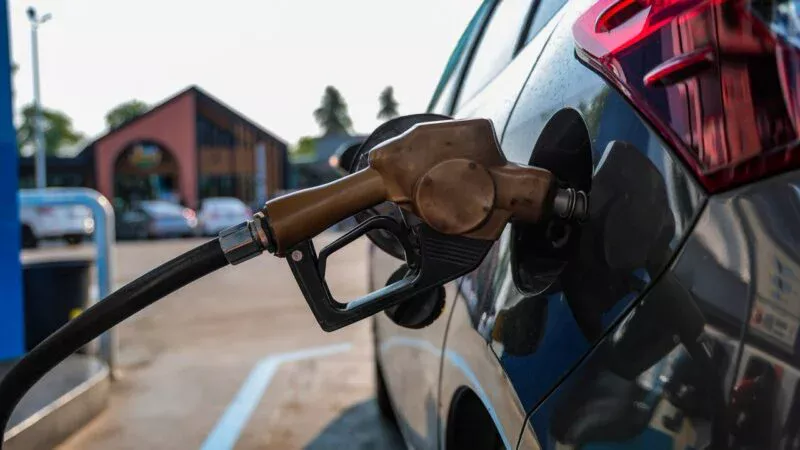
Nationwide U.S. gasoline reached $4.018/gallon (AAA data), +30% since the strikes and the highest since August 2022. Diesel crossed $5/gallon on March 17 and remains +40% higher, directly threatening freight economics. March gasoline prices are tracking +25% month-over-month—the biggest such jump since October 1990 (Macquarie).

The Trump administration’s response is multi-pronged but limited by the physical bottleneck:

  • Coordinated SPR release of 400 million barrels globally (172 million from U.S. reserves).
  • EPA temporary waiver on E15 ethanol blends (effective May 1–20, extendable).
  • 60-day Jones Act waiver allowing foreign vessels to move product domestically.
  • Signals of additional diesel supply measures and potential federal excise-tax suspension (18¢/gal gasoline, 24¢/gal diesel).

Vice President JD Vance, Energy Secretary Chris Wright, and EPA Administrator Lee Zeldin publicly frame the spike as “temporary” and war-duration dependent, while acknowledging near-term pain. Analysts (GasBuddy’s Patrick De Haan, Lipow Oil’s Andy Lipow) note the diesel lag will hit supermarkets, e-commerce, and goods prices by April, “igniting additional inflation.” De Haan warns prices could test $5/gallon absent rapid Hormuz reopening—“a race against time.”

The shock is not a marginal OPEC+ cut; it is a hard physical stop on the world’s single most important oil artery. Policy levers blunt the edges but cannot refill the Strait. Consensus pricing in a quick post-war normalization is the dominant market view; the data in the story suggest that bet is already being stress-tested.

01

First-Order Effects

Obvious, immediate impacts
  • Household fuel budgets rise immediately by hundreds of dollars annually, compressing discretionary spending.
  • Trucking/freight operators lock in 40%+ higher diesel costs, triggering spot-rate increases within days.
  • Energy equities and upstream producers post windfall gains on record monthly oil price moves.
  • Headline CPI inflation reaccelerates in April/May prints via gasoline and jet-fuel components.
  • SPR drawdown and regulatory waivers deliver marginal supply relief but cannot offset the Hormuz closure.
02

Second-Order Effects

Cross-sector · cross-geography · time-lagged
  • Lagged diesel cost pass-through elevates supermarket, e-commerce, and just-in-time inventory pricing by Q2.
  • Logistics-heavy sectors (retail, construction, agriculture) face margin compression and inventory build-ups.
  • Reduced consumer mobility and air travel demand begin to weigh on related service-sector revenues.
  • Corporate earnings guidance for Q2/Q3 widens downside risk in transport-dependent industries.
  • Short-term dollar strength emerges as oil exporters recycle petrodollars amid higher prices.
03

Alpha Layer — Opportunities

Trades · strategic positioning · business impacts
  • Energy-security narrative overtakes “energy-transition” rhetoric, creating policy tailwinds for U.S. shale and LNG permitting that markets are still pricing as election-cycle noise.
  • Prolonged Hormuz closure exposes the fragility of 20% of global supply concentration; alternative routing (pipelines, rail, new alliances) becomes strategically non-optional—underpriced in current geopolitics.
  • Diesel-driven goods inflation risks forcing the Fed into a higher-for-longer stance even as growth slows, a stagflationary setup consensus currently dismisses as “transitory.”
  • Asymmetric long opportunities emerge in midstream infrastructure, oil-services, and U.S. domestic refining names if disruption lasts beyond the administration’s “post-war” timeline.
  • Consensus is wrong on duration: the physical and geopolitical barriers to reopening Hormuz are materially higher than markets are discounting, creating the highest-conviction short-term hedge in commodities since 2022.

// Share Your Analysis