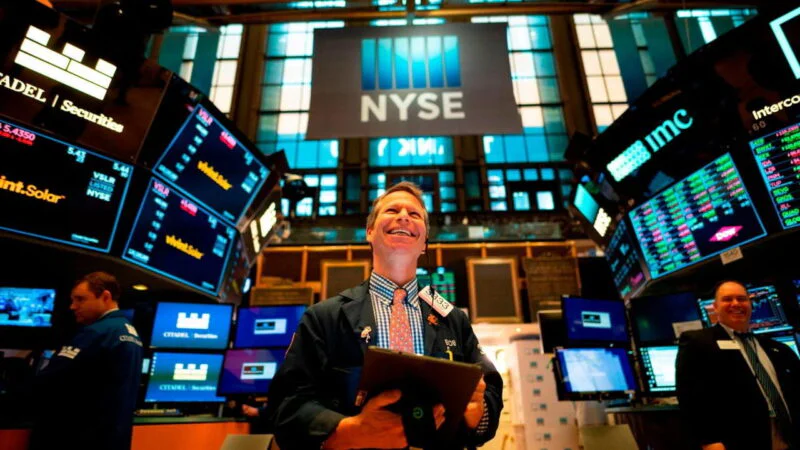
U.S. equity markets are on the cusp of structural disintermediation. NYSE, Nasdaq, CME, and Cboe are actively seeking or implementing 24/7 or 24/5 trading regimes. The catalyst is not liquidity theater but the documented inefficiency and rent-extraction in after-hours and pre-open auctions.
Thin order books after 4 p.m. ET create spreads wide enough for coordinated order-flow routing, spoofing, and deliberate opening-price setting that triggers client stops. Academic work (UC Berkeley–Rochester) and SSRN studies on opening-auction manipulation show price discovery is materially less efficient outside core hours. Recent SEC settlements and FINRA’s 2026 report explicitly flag after-hours layering and inadequate broker supervision as ongoing risks.
Mati Greenspan (Quantum Economics) and multiple floor brokers describe the current regime as “manipulation outright” with “plausible deniability.” Brokers and wholesalers have hours to strategize price levels that maximize client slippage and proprietary P&L. Retail traders are structurally sidelined during weekend or overnight news events.
24/7 trading removes the vacuum. Traders—especially retail—can react in real time instead of being price-takers at the manipulated open. Exchanges capture higher fee revenue from continuous volume. Crypto-native venues like Hyperliquid already demonstrate the demand: $50 bn weekly derivatives volume and $1.6 m daily revenue on traditional-asset perps while legacy markets are closed.
The asymmetry is clear: traders (retail and prop) are net winners; traditional intermediaries, wholesalers, and market makers who monetized the overnight gap are structural losers. Consensus that “more hours = more liquidity = universally good” misses the targeted destruction of a high-margin broker business line that regulators have already begun to sanction.
// Share Your Analysis